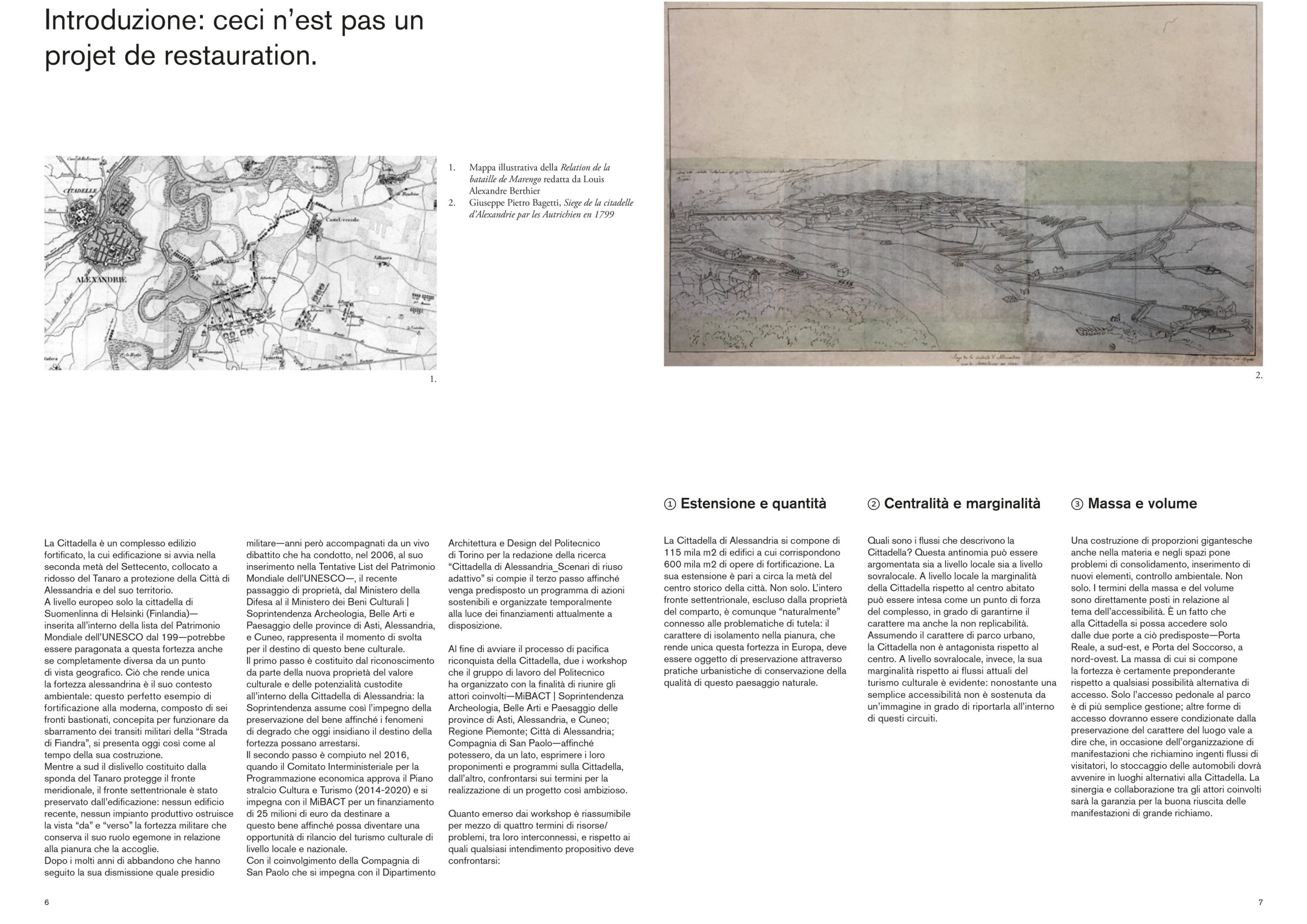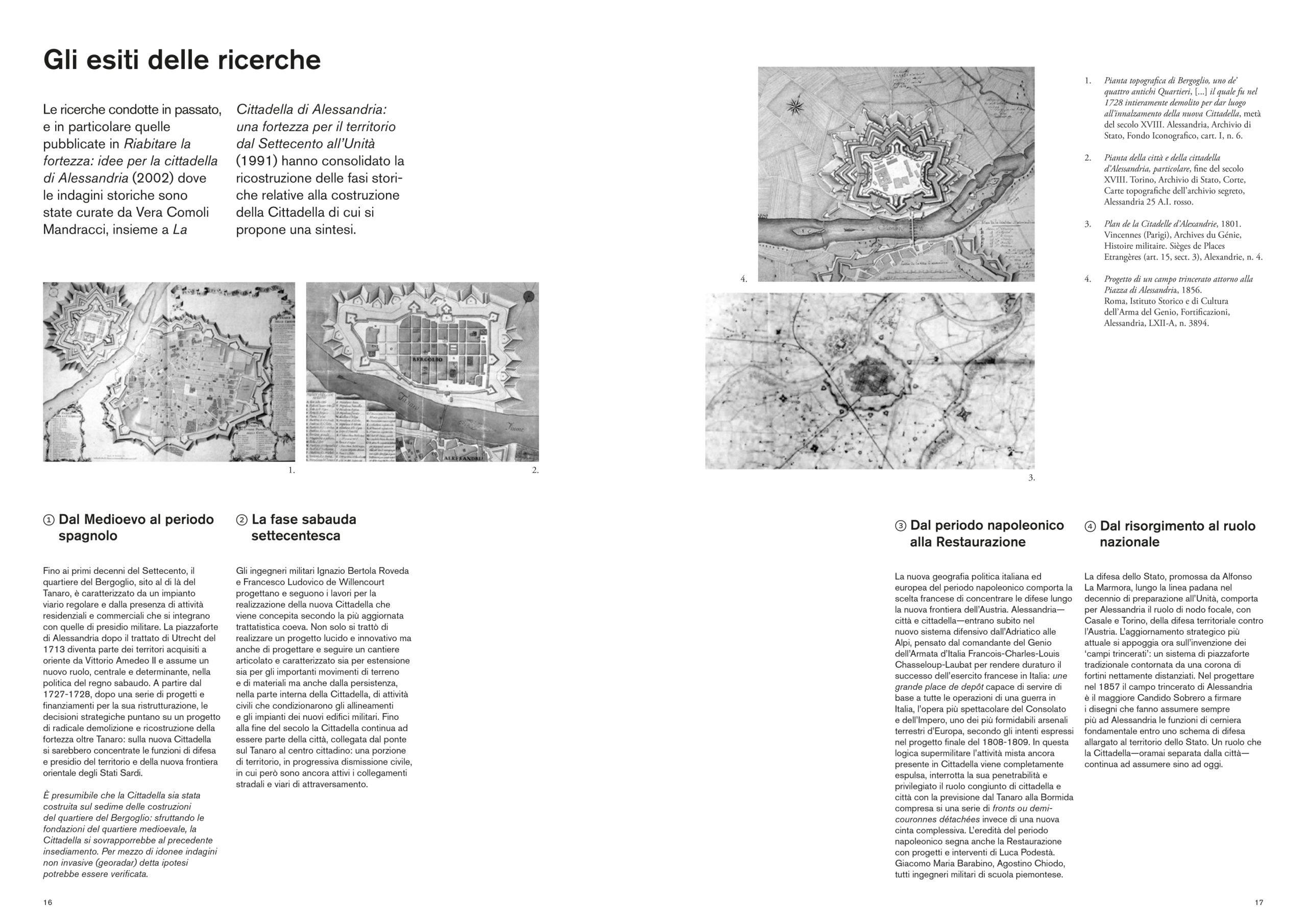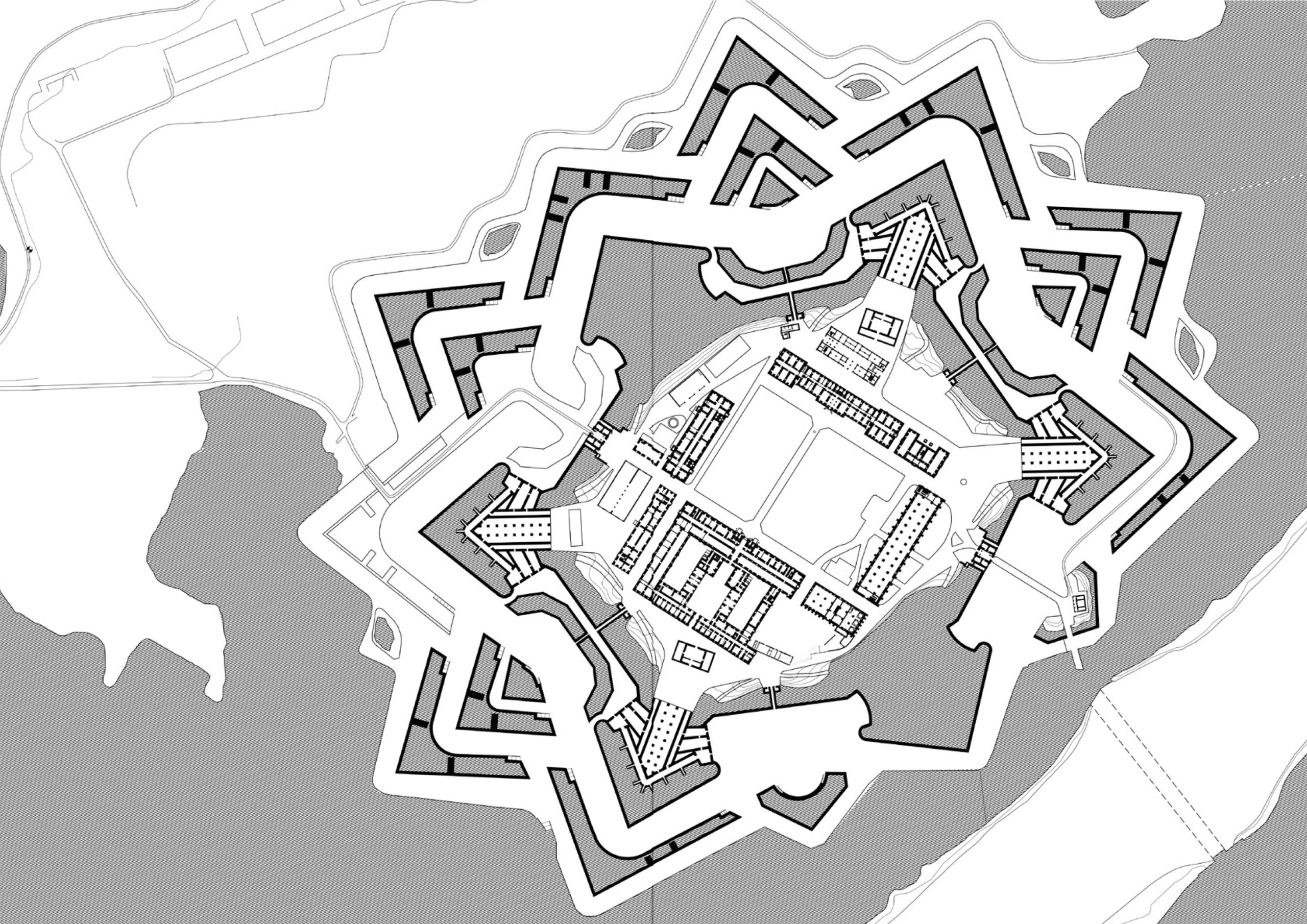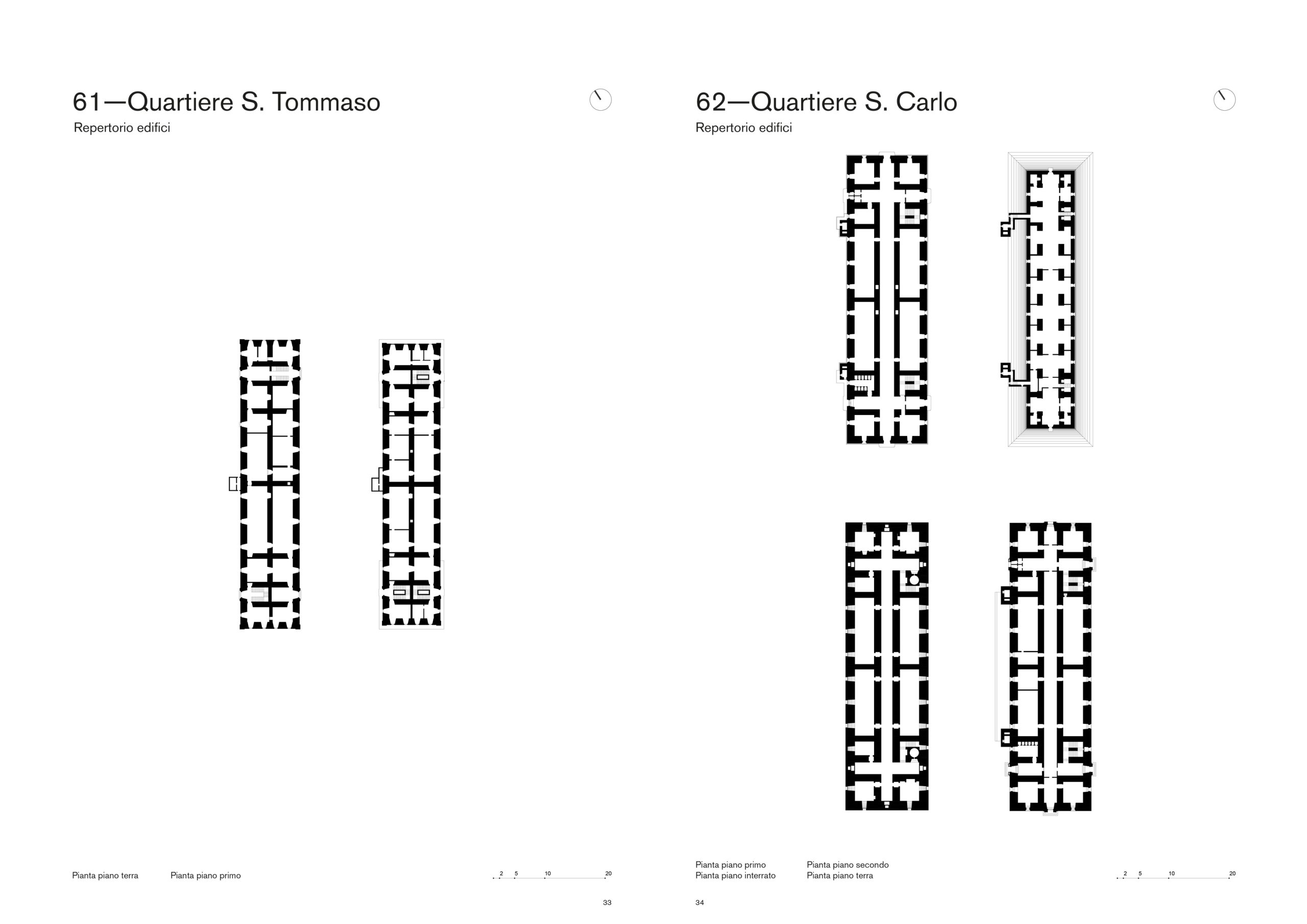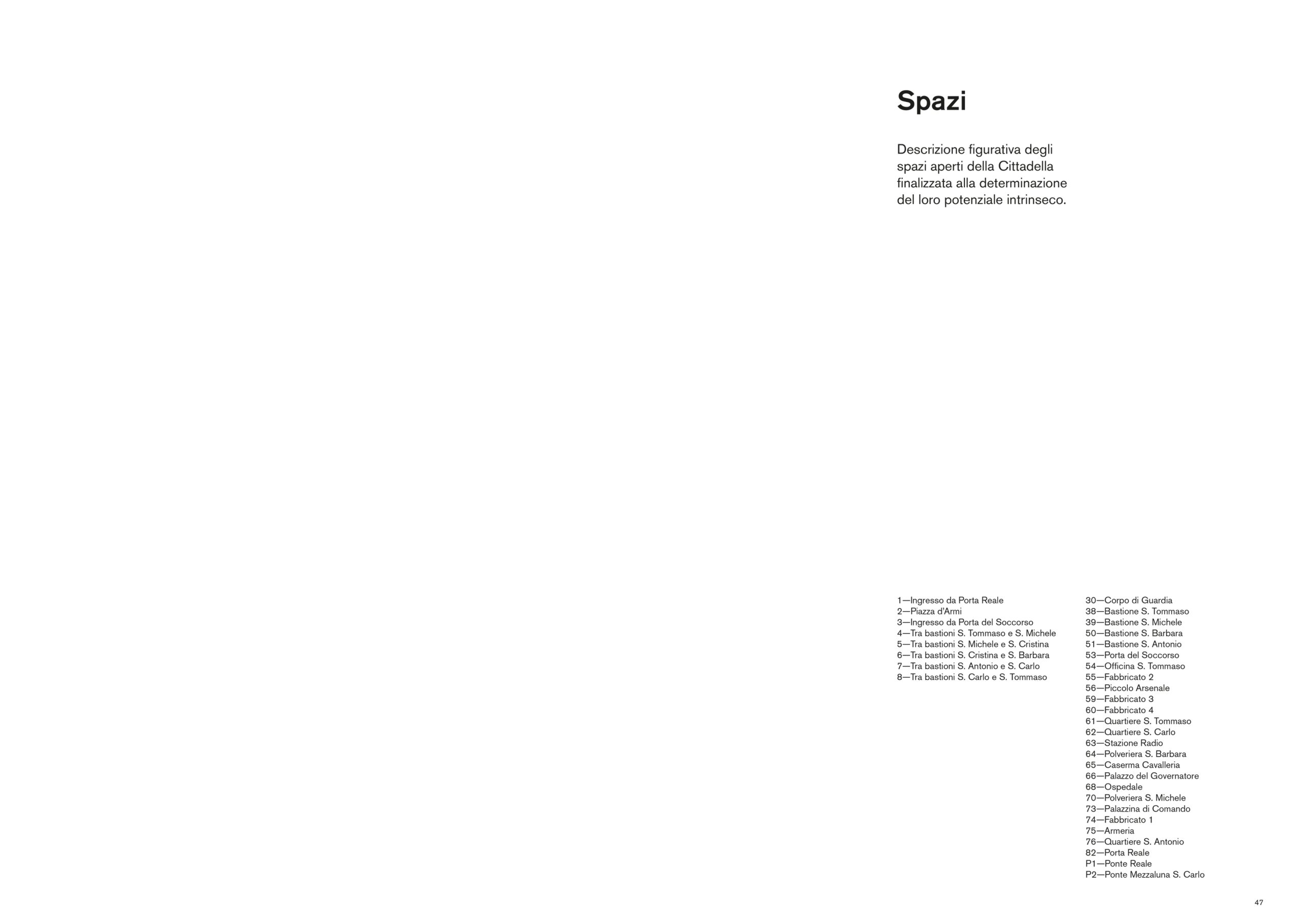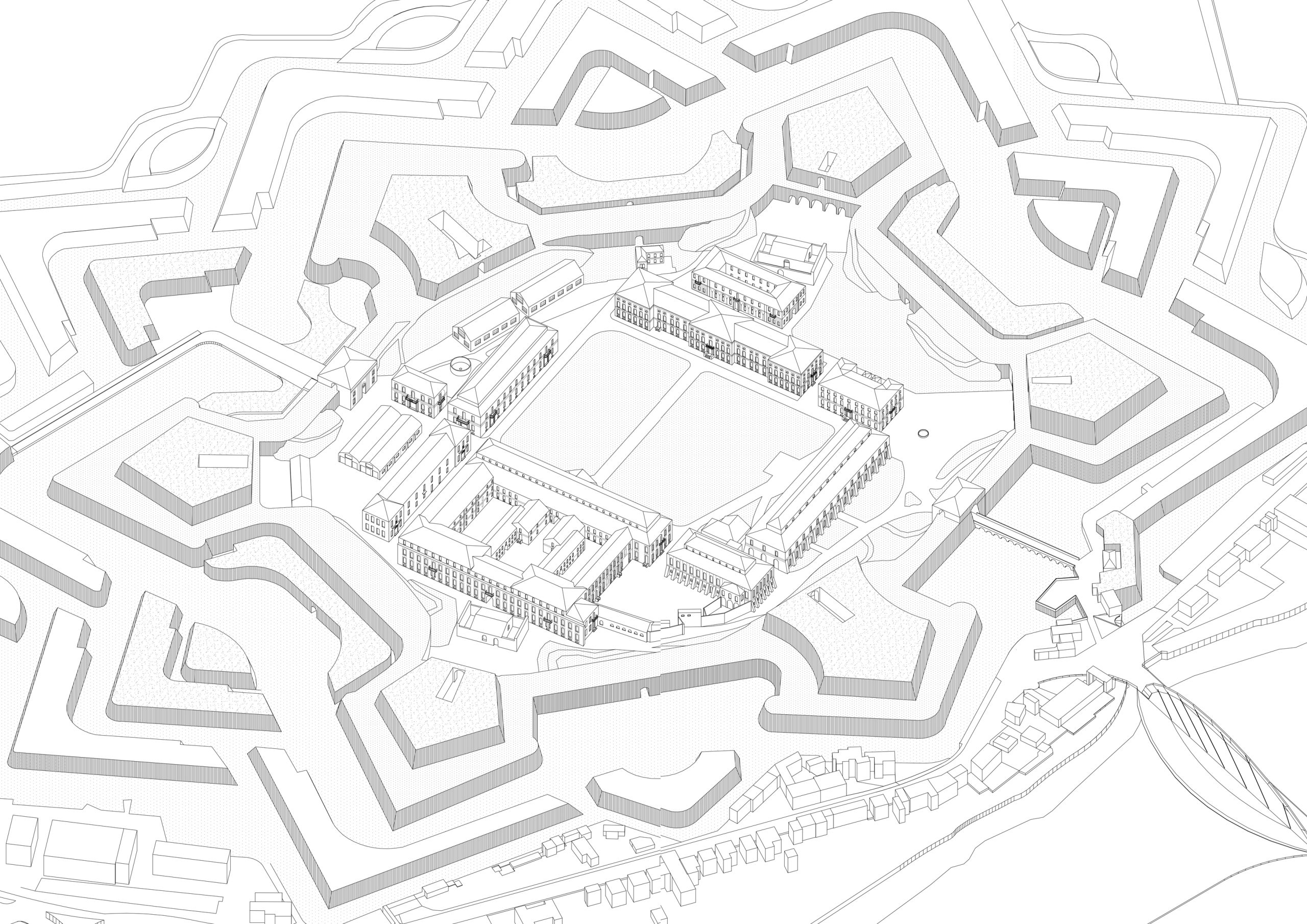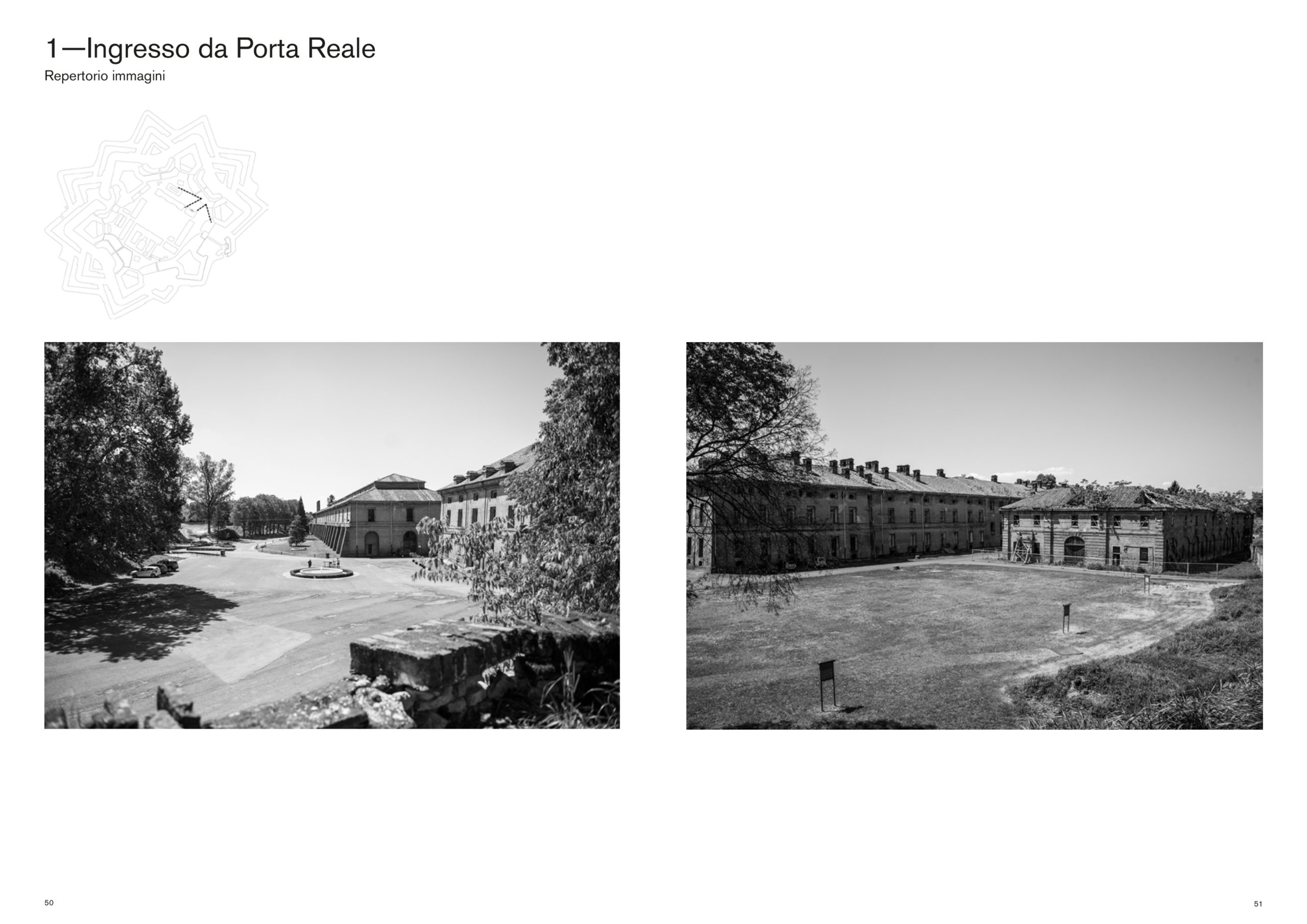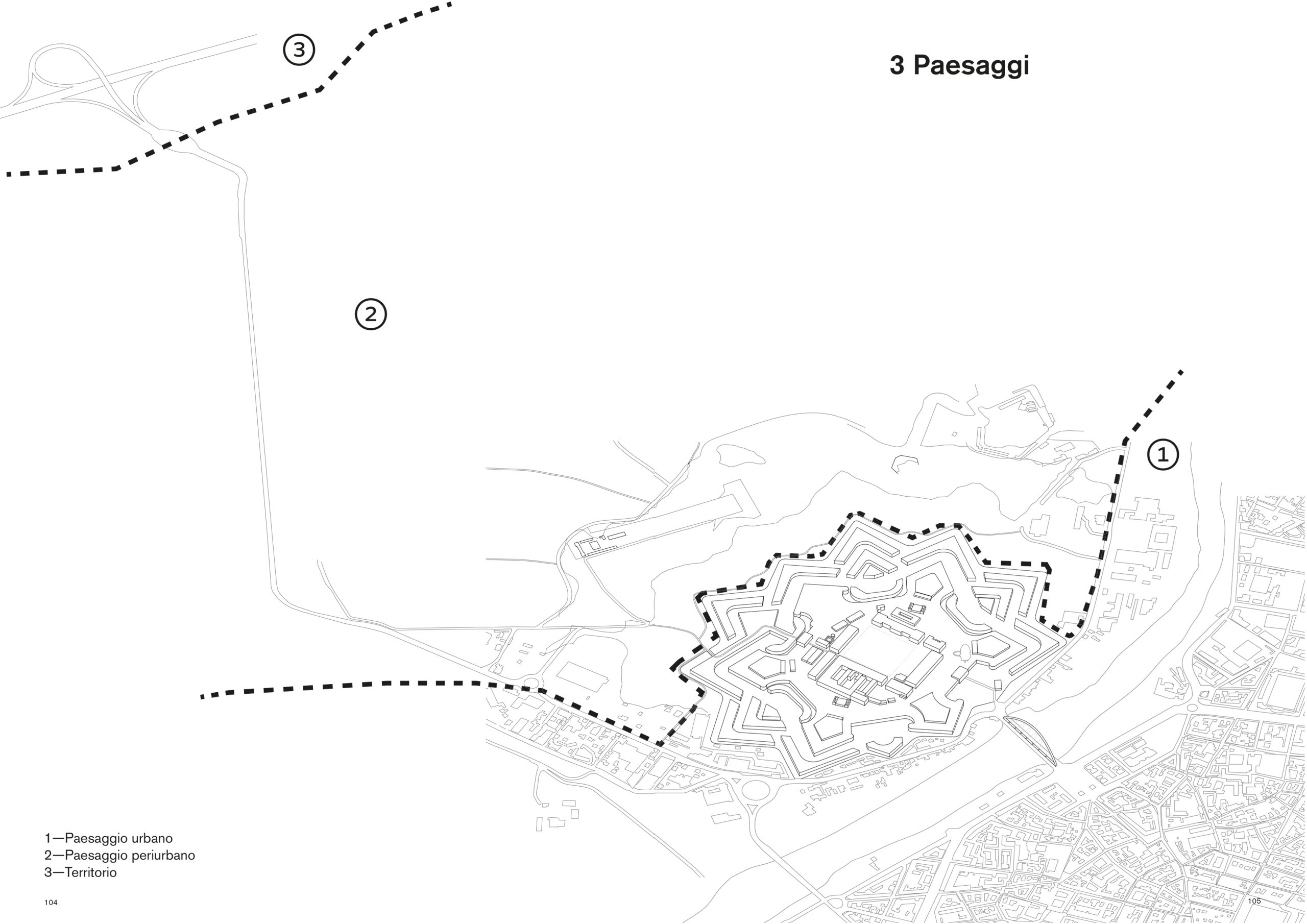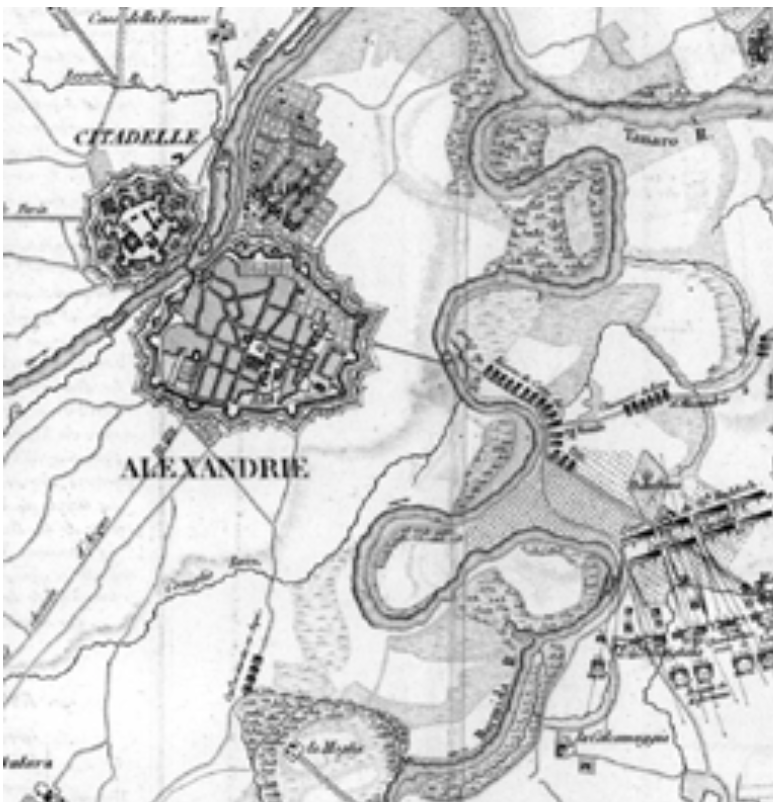
The Citadel of Alessandria is a fortified building complex, whose layout dates back to the second half of the 18th century, located close to the Tanaro River and overlooking the city of Alessandria. The only fortress on the plain built by the Savoy family, it is also the only one of its kind à la Vauban to have been preserved intact in its complete layout and perceptible in its unity, geometry, and material.
Due to its sheer size—115,000 m² of buildings, corresponding to 600,000 m² of fortifications—the Citadel requires an innovative approach that combines conservation needs, possible reuses, and economic and managerial sustainability. It is not conceivable here to retrace recent experiences—albeit successful ones—such as the restoration of the Venaria Reale and its conversion into a museum. In this respect, the Citadel represents a recurring condition in the protection of large-scale, ‘low-density’ heritage sites. Military, but also industrial, complexes in locations and contexts where it is unthinkable to ‘heritageize’ them with the sole aim of preserving them as historical evidence, but where it is also not legitimate to use the buildings indiscriminately as ‘containers’ for a wide variety of uses or, worse still, to select certain elements to be handed down to the future, eliminating others. A new approach is needed here, which we call adaptive reuse.
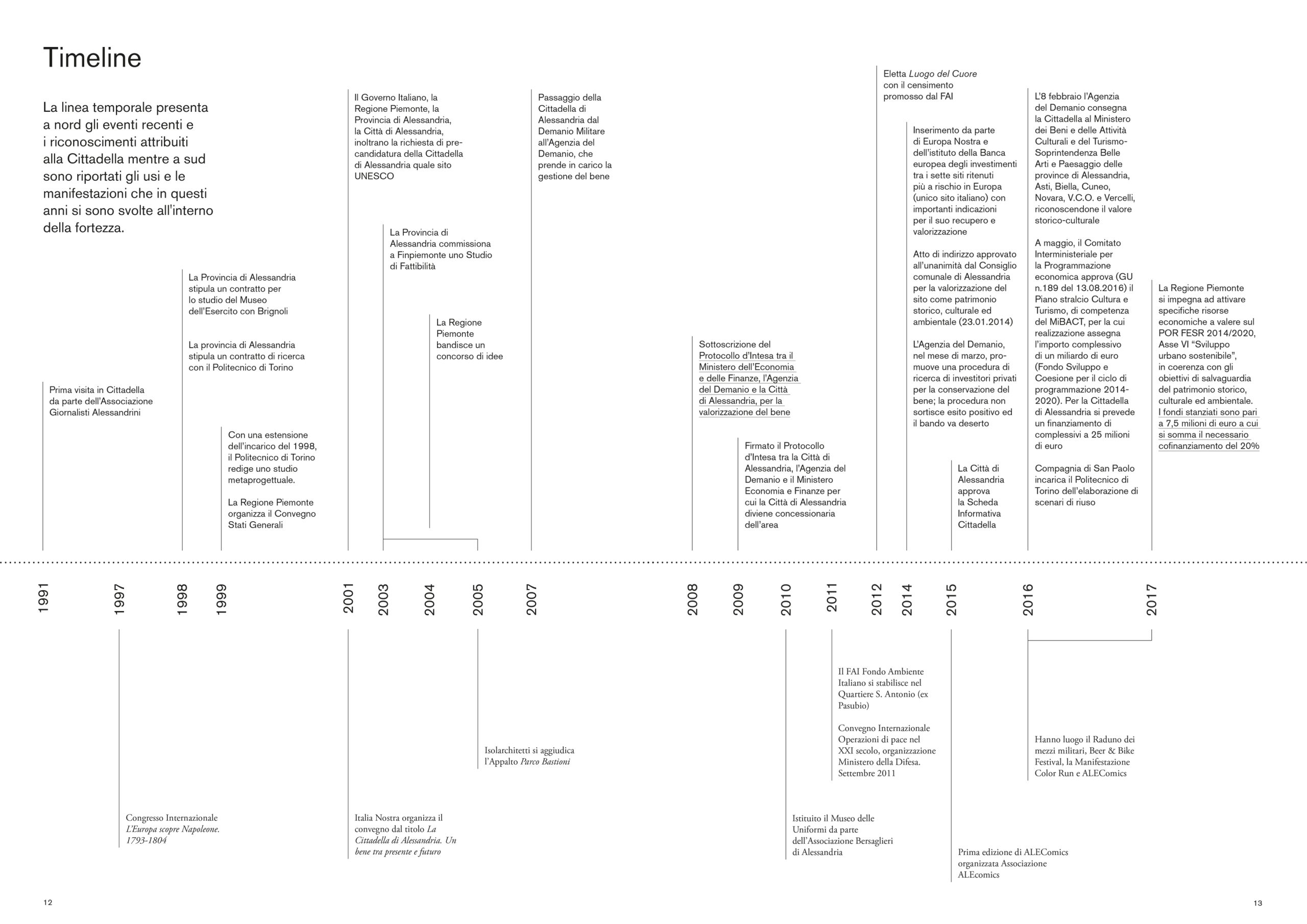
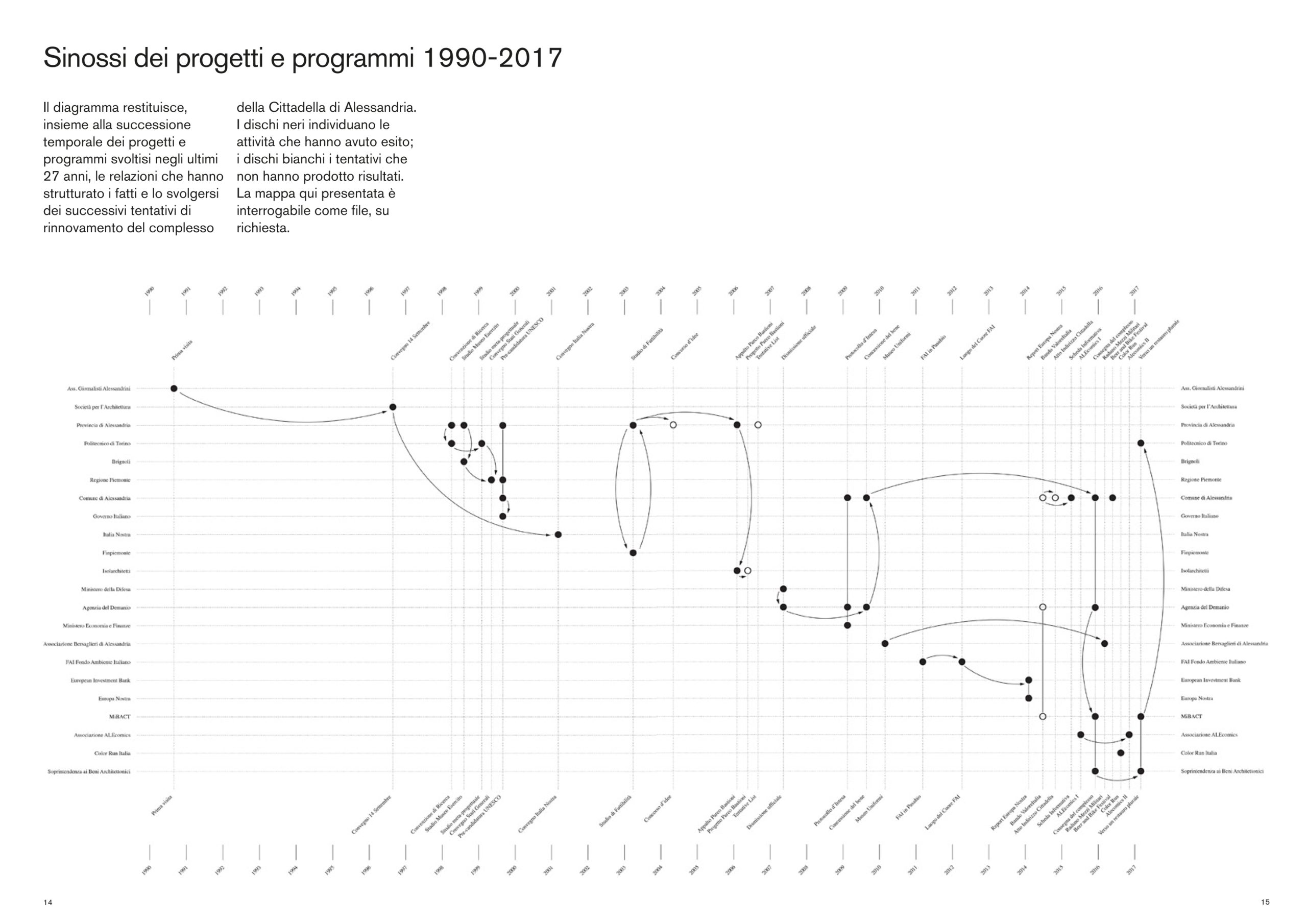
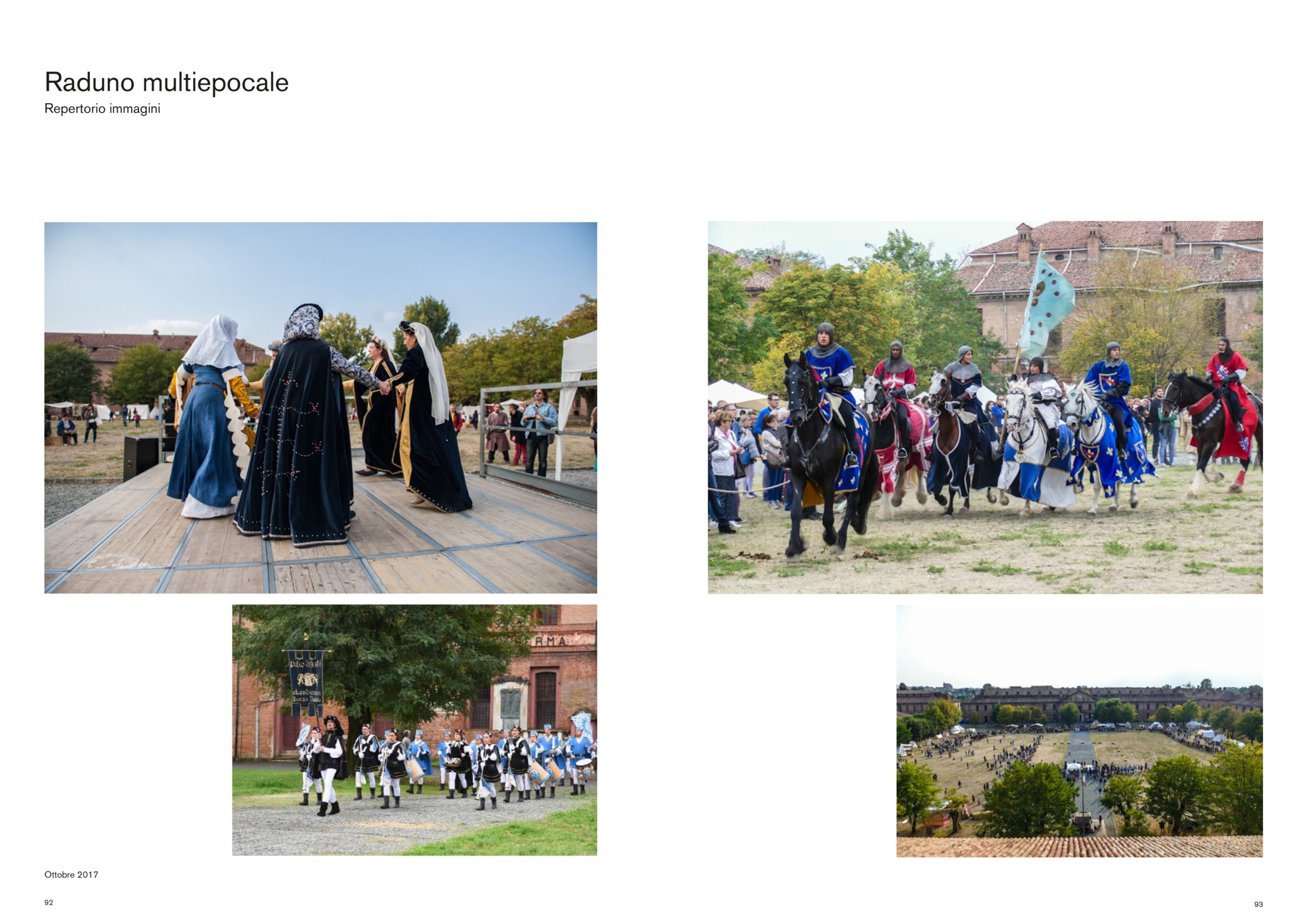
We propose this based on our reading of the last quarter century of events at the Citadel, even before its final decommissioning. Rather than large top-down projects—almost all of which ran aground on the rock of the disproportion between available funds and necessary costs—it was a myriad of small and large bottom-up initiatives, and the Administration’s decision to allow and support them, that contributed to making the Citadel continuously used and therefore also known, loved, and protected. These initiatives have made the Citadel—thanks also to the new bridge over the Tanaro River, which has brought it closer to the city—a lively and popular public place.
This experience is the seed of our incremental, phased approach to the project and the lightweight management model we propose.
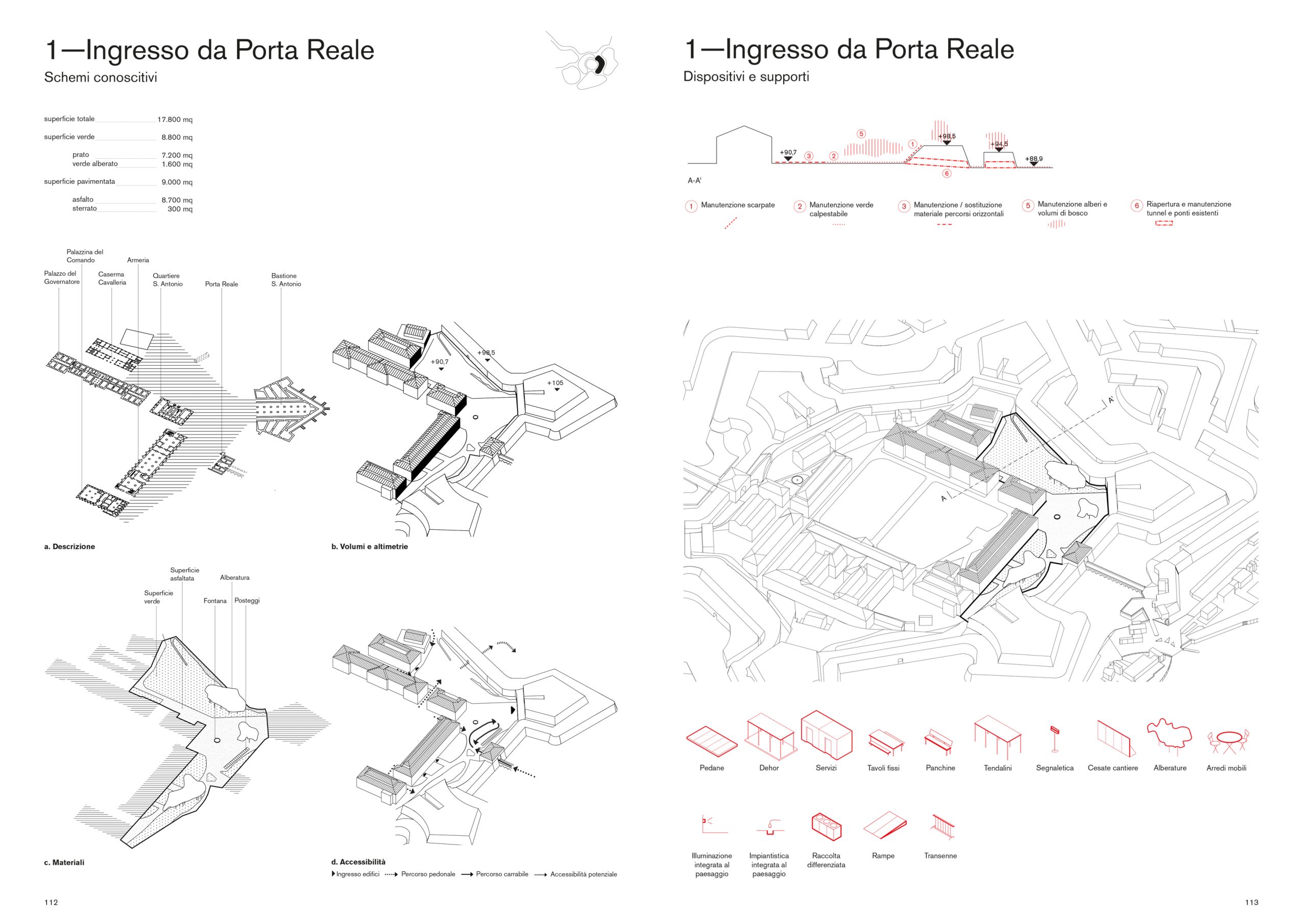
The definition of the phases and their sequence is based on the recognition of the specific characteristics of the various buildings and open spaces, so that the phases of intervention progressively restore spaces and complexes that are consistent with their use, through a minimal set of interventions ranging from simple preservation to the inclusion of the minimum devices necessary for safe use and, where necessary, comfort. The first tranche of funding thus becomes the trigger—with immediate repercussions—for an extensive and open program of adaptive reuse which, governed by a sustainable management model—a mixed-ownership exhibition center—will be able to attract public and private operators.
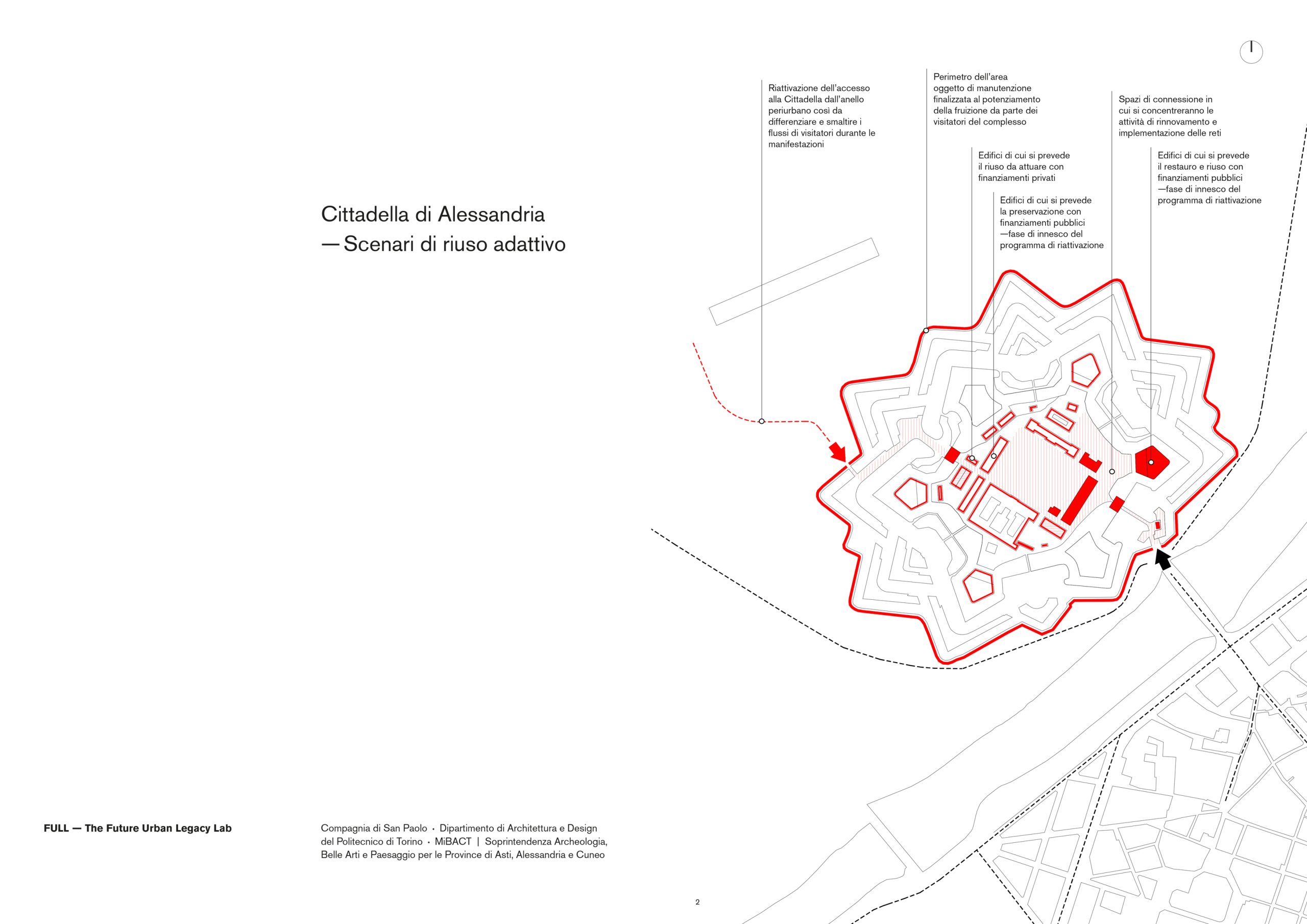
In light of the funding currently available (€34 million in total), the reuse strategy developed involves a program of specific and light interventions aimed at both halting the deterioration of the works—buildings and structures—and restoring their functionality.
In light of the funding currently available (€34 million in total), the reuse strategy developed envisages a program of targeted and light interventions aimed both at halting the deterioration of the works—buildings and fortifications—and at activating a peaceful reconquest of the Citadel, strengthening what is already in place through the construction of a support platform capable of attracting international flows.
The start of the Citadel construction site will also mark the start of a major knowledge project which, based on what initial historical, archaeological, archival, technical, and design investigations have already revealed, will make the Citadel of Alessandria one of the central locations in the international debate on heritage, conservation, and the reuse of what our past has left us as a living legacy.